
Why Early Myopia Intervention Matters for Long-Term Eye Health

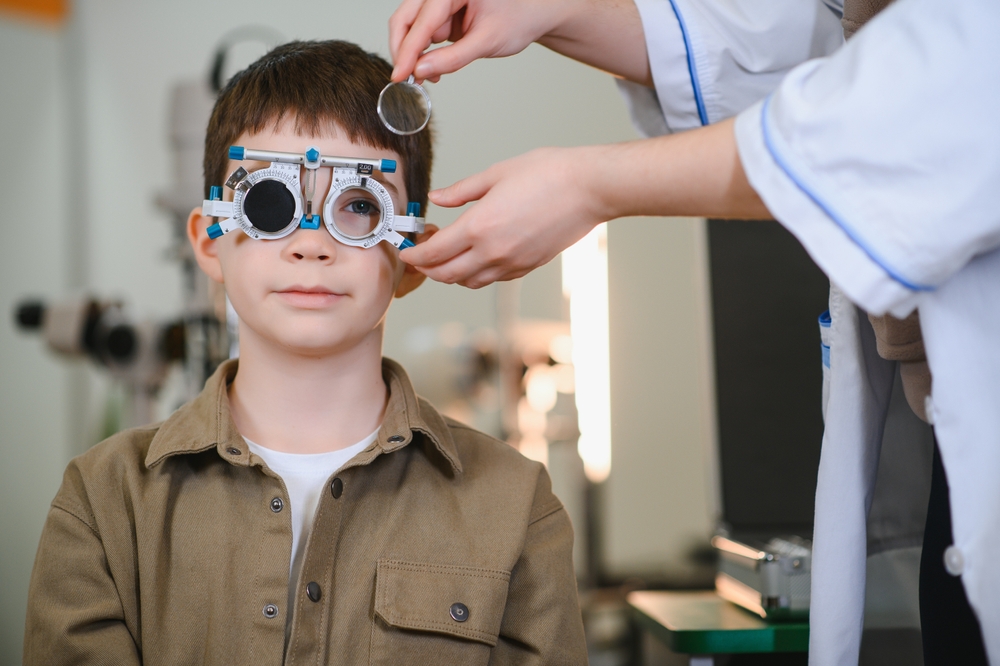
Myopia Is More Than a Stronger Glasses Prescription
Myopia, or nearsightedness, often starts in childhood and tends to progress as kids grow. While blurry distance vision is the most noticeable symptom, the bigger concern is what happens over time. Higher levels of myopia are associated with a greater risk of serious eye conditions later in life, including retinal detachment, glaucoma, and cataracts. That is why early myopia intervention matters - it helps protect long-term eye health, not just day-to-day vision.
Early Changes Can Happen Quickly
Many parents notice their child squinting, moving closer to screens, or having trouble seeing the board at school. These signs can seem minor at first, but myopia can progress quickly during childhood. The earlier we identify those changes, the sooner we can begin managing them. Early treatment gives us a better opportunity to slow progression before myopia becomes more advanced.
Why Timing Makes a Difference
When myopia is addressed early, we can monitor how the eyes are developing and respond before the prescription increases too much. Waiting until vision worsens year after year can make long-term management more difficult. Early myopia intervention allows us to be proactive instead of reactive. For families in Seattle, that can mean fewer prescription jumps and a more personalized plan for protecting vision as a child grows.
Benefits of Early Myopia Intervention
Starting myopia management early can offer several long-term advantages:
- Slows the progression of nearsightedness in many children
- Reduces the risk of high myopia later in life
- Supports clearer, more comfortable vision at school and during activities
- Helps us track eye growth and make timely treatment adjustments
- Encourages long-term habits that support healthy vision
Myopia Management Should Be Personalized
Every child’s eyes develop differently, so myopia treatment should never be one-size-fits-all. We look at prescription changes, visual habits, family history, and overall eye health when recommending care. A personalized approach helps us choose the most appropriate strategy and continue adjusting it as needed. Ongoing monitoring is an important part of successful myopia management and long-term eye health.
Regular Eye Exams Help Us Stay Ahead
Routine pediatric eye exams are essential for catching myopia early and tracking progression over time. Even if a child already wears glasses, regular visits help us determine whether their nearsightedness is changing too quickly. At our Seattle office, we focus on early detection, careful monitoring, and thoughtful treatment planning so we can help protect your child’s vision now and in the future.
Contact I Care Vision Center in Seattle, WA by calling (206) 502-2800 to schedule an appointment and learn more about early myopia intervention for long-term eye health.


Contact Us
Clinic Hours
- Monday9 AM - 5 PM
- Tuesday9 AM - 5 PM
- Wednesday9 AM - 5 PM
- Thursday9 AM - 5 PM
- Friday9 AM - 5 PM
- SaturdayClosed
- SundayClosed
Closed for lunch from 1-2pm
Powered by: 